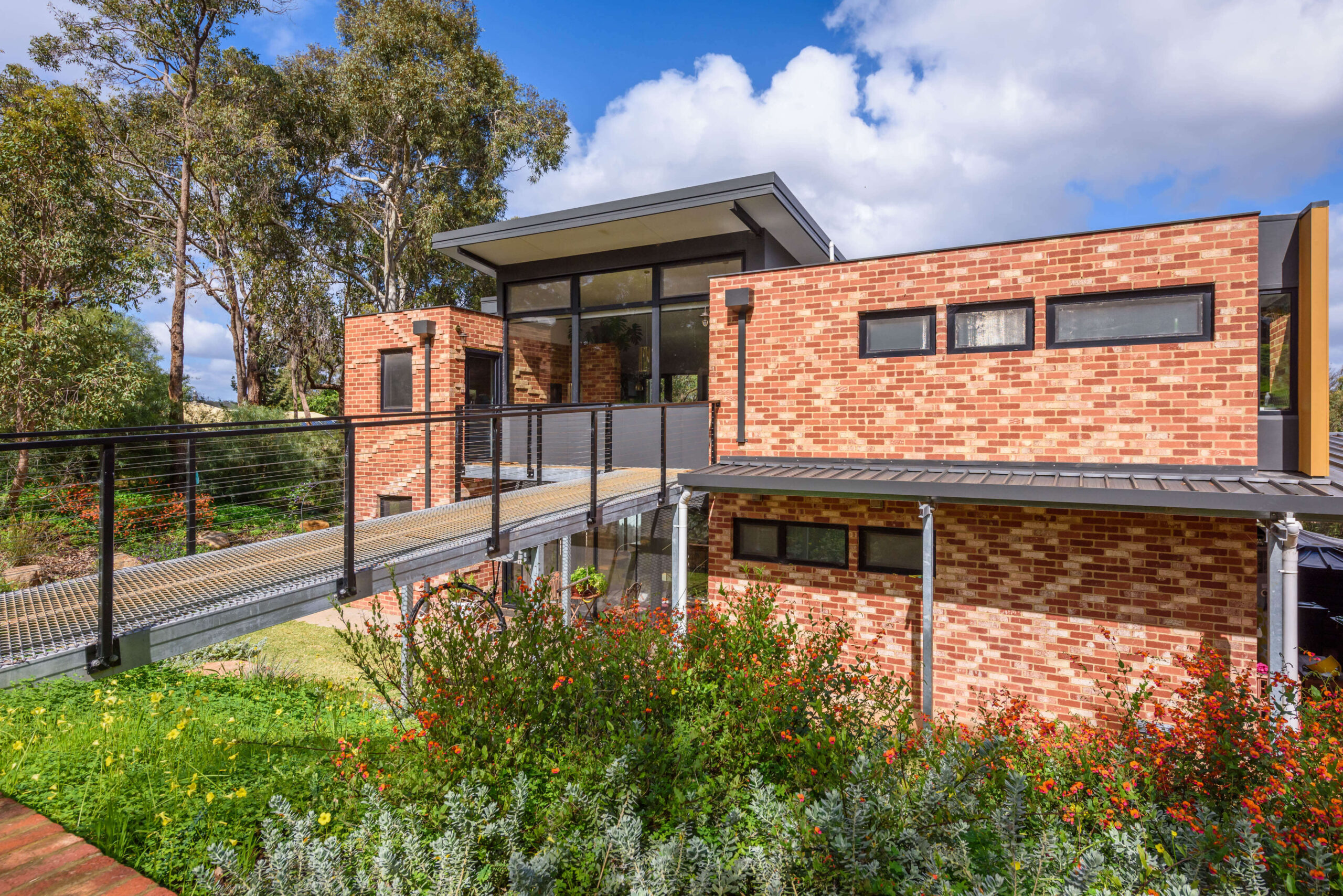
Sunlight streaming through energy-efficient windows

Energy Efficiency

Create Your Energy-Efficient Home

Up to 40% of your home's heating and cooling load is lost through windows and doors. Upgrade to double or triple glazing and feel the difference from day one.

Up to 40% of a Perth home's heating and cooling load is lost through windows. Upgrading to double- or triple-glazed windows can improve a NatHERS rating by 1-2 stars and dramatically reduce energy bills. WindowPlus double-glazed units achieve U-values from 1.0 W/m²K, triple-glazed from 0.6 W/m²K, with Low-E coatings tuned to your orientation.

40%
of energy lost through windows
better insulation than single glazing
53 dB
noise reduction (acoustic triple)
+2★
potential NatHERS rating improvement

The Science

How Double & Triple Glazing Saves Energy

Heat moves through single glazing almost unimpeded, conducting through the glass and radiating from the inner surface. Double and triple glazing create sealed cavities that trap still air or noble gas, dramatically slowing this transfer in both directions.

In Perth's climate, this works both ways: keeping summer heat outside in January, and keeping your heated air inside during cooler months. The result is a home that requires far less air conditioning and heating to stay comfortable.

Lower U-Value = Less Heat Transfer

Our double glazed units achieve U-values from 1.0 W/m²K; triple from 0.6 W/m²K, compared to 5.8 W/m²K for single glazing.

Low-E Controls Solar Heat Gain

Different Low-E coatings can be specified to either block solar gain (west-facing windows) or allow it (north-facing in winter), the right SHGC for your orientation.

NatHERS Star Rating Improvement

Upgrading from single to double glazing can improve a home's NatHERS rating by 1–2 stars, a significant improvement for resale value and rental yield.
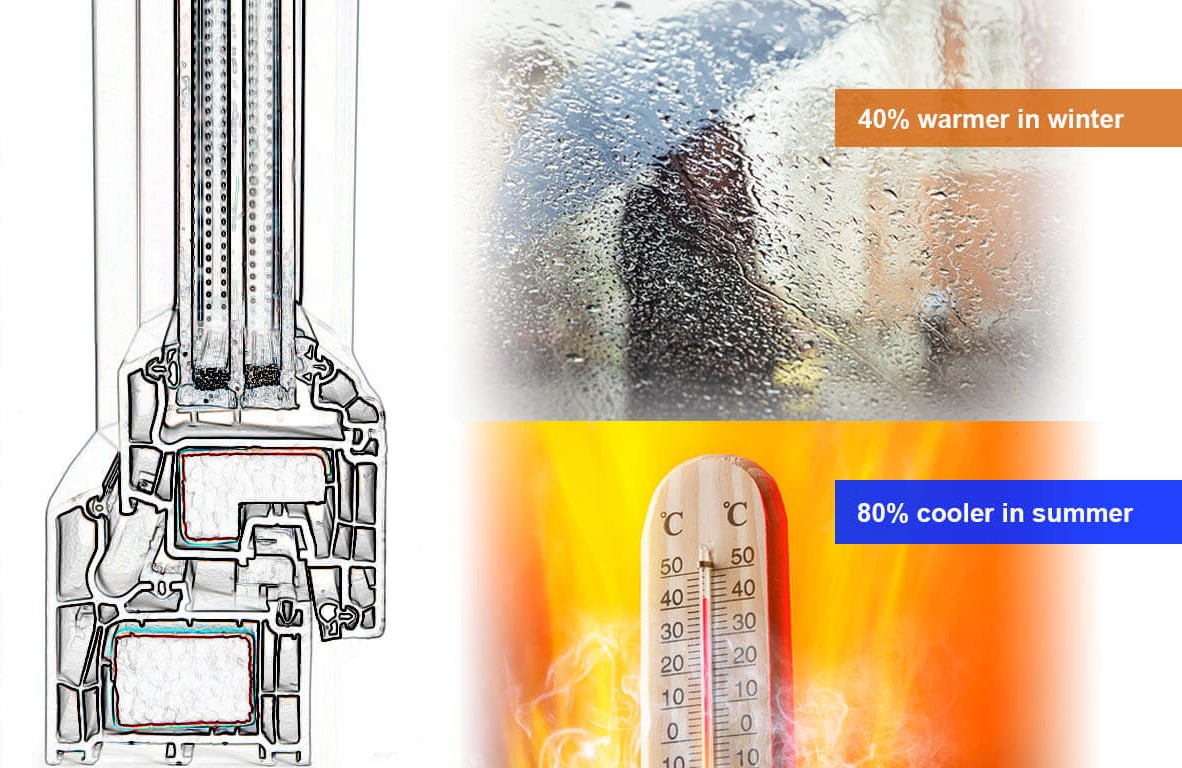
uPVC window profile cross-section with 40% warmer in winter and 80% cooler in summer comparison

Our Tiers

Regular vs High Performance

Both deliver a massive improvement over standard windows. Your choice depends on noise levels, climate zone and sustainability goals.

Regular

Double Glazing + Low-E + Argon

  • U-value from 1.0 W/m²K
  • Rw 32–38 acoustic performance
  • Warm-edge spacer bars
  • Dramatically better than any single-glazed product
  • Available in uPVC or aluminium
Recommended

High Performance

Triple Glazing + Acoustic Glass + Krypton

  • U-value from 0.6 W/m²K, passive house
  • Rw up to 53 dB noise reduction
  • Laminated acoustic inner pane
  • Krypton gas fill for thinner units
  • Maximum NatHERS star contribution

FAQs

Frequently asked questions

How much can I save on energy bills with new windows?

Up to 40% of a Perth home's heating and cooling load is lost through windows. Upgrading from single to double glazing typically cuts that loss by half or more, with most households seeing a measurable reduction in air-conditioning runtime, particularly during summer afternoons and overnight.

Can new windows improve my NatHERS star rating?

Yes - upgrading from single to double glazing can improve a home's NatHERS rating by 1-2 stars, which is significant for resale value, rental yield and compliance with newer minimum-rating requirements.

Do energy-efficient windows reduce solar heat gain in summer?

Yes, when specified correctly. Low-E coatings tuned for solar control reject the infrared portion of sunlight that causes heat gain, while still letting in visible light. On west-facing windows this can reduce summer afternoon room temperatures by several degrees.

Are there government rebates for energy-efficient windows in WA?

Rebate programs change frequently. Ask us at quote stage - we'll point you to any current WA state or federal incentives that may apply to your project.

Ready to reduce your energy bills?

Our team will assess your home and recommend the right glazing for your climate zone, orientation and budget.

Get a Free Energy Assessment

Quote